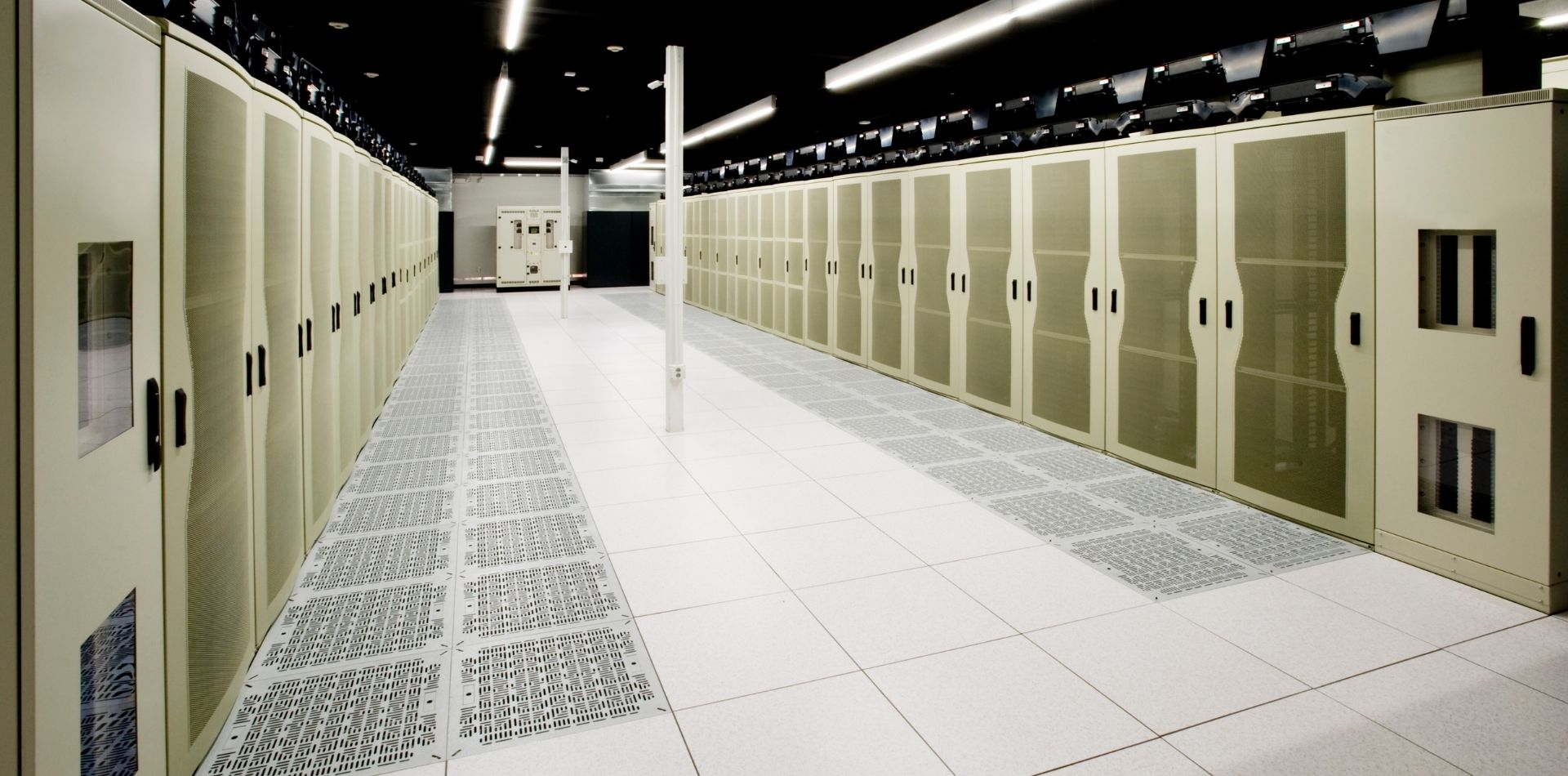

Artificial intelligence is often framed as a software revolution, but in reality, it is an infrastructure revolution. Every model trained, every dataset stored, and every AI-powered interaction relies on physical systems: data centers, cooling systems, transmission lines, and generation assets.
As AI adoption accelerates, the amount of data being processed is growing exponentially. That growth is not abstract, it is translating directly into real-world electricity demand, and few places illustrate this shift more clearly than Wisconsin.
The AI Boom Is a Power Demand Story
AI systems operate differently than traditional computing. They require continuous processing, massive datasets, and high-performance hardware that runs 24/7. This creates a fundamentally new type of electricity load, one that is constant, intensive, and rapidly scaling.
Globally, data centers already consume a meaningful share of electricity, and that share is expected to grow significantly as AI expands. In the U.S., data centers accounted for roughly 4.4% of total electricity use in 2023, with projections reaching up to 12% by 2028 as AI infrastructure scales.
At the same time, research shows that AI-driven workloads are dramatically increasing the energy intensity of computing itself, requiring new approaches to infrastructure planning and grid integration.
But while these trends are global, their impacts are intensely local.
Wisconsin: A Case Study in the New Energy Reality
Wisconsin is quickly emerging as a major hub for data center development, driven by its available land, water resources, and relatively stable grid.
That growth is not incremental, it is transformational.
Data centers are projected to account for 68–72% of all new electricity demand growth in Wisconsin between 2025 and 2030. As a result, total statewide electricity demand could rise by as much as 29–33% by 2030, reversing decades of relatively flat energy consumption.
Even more striking are the scale of individual projects. Two proposed AI data centers, one in Mount Pleasant and another in Port Washington, are expected to require 3.9 gigawatts of power combined, more than the total electricity consumption of every home in the state.
This is not just growth. It is a structural shift in how energy systems are designed and operated.
Infrastructure Strain and System Costs
The rise of AI-driven data centers is not occurring in a vacuum. It is placing new and immediate pressure on grid infrastructure.
Utilities in Wisconsin are already planning multi-billion-dollar transmission upgrades and new substations to support incoming data center load, including large-scale projects tied directly to new campuses.
At the system level, the cost implications are significant. Total electricity system costs in Wisconsin could reach $113–130 billion between 2026 and 2050, with data centers alone responsible for up to $47 billion of that total.
At the same time, this demand is reshaping fuel markets. Wisconsin is emerging as a growth market for natural gas infrastructure, in part to meet the baseload needs of data centers that require constant, uninterrupted power.
In other words, AI is not just increasing electricity demand, it is influencing what types of energy get built.
A Midwest Shift with National Implications
Wisconsin is not alone. The broader Midwest is rapidly becoming one of the largest data center hubs in the country, with major investments from companies like Microsoft, Google, Amazon, and Meta.
This geographic shift is driven by a simple reality: traditional data center markets are running out of power and land. The Midwest offers both, but at the cost of rapidly accelerating demand on regional grids.
At the same time, public resistance is beginning to emerge. Concerns over electricity prices, water use, and long-term community benefit are driving new policy debates, including local restrictions on data center development in parts of Wisconsin.
The conversation is no longer just about technology. It is about tradeoffs.
The Core Tension: Innovation vs. Infrastructure
AI is not slowing down. If anything, it is accelerating.
But the infrastructure required to support it, generation, transmission, storage, and distribution, is struggling to keep pace.
This creates a fundamental tension: AI requires massive, always-on energy. Grids were built for predictable, distributed demand. Communities are now being asked to absorb industrial-scale loads with unclear long-term benefits.
In Wisconsin, this tension is already visible. Public opinion is shifting, with surveys showing a majority of residents questioning whether the costs of data centers outweigh their benefits, particularly due to energy and water use.
What Comes Next
The growth of AI is inevitable. The question is not whether demand will increase; it is how that demand will be met, and who will benefit from it.
This moment presents a critical opportunity to rethink how energy infrastructure is developed: co-locating renewable generation with data centers, building microgrids and distributed systems to offset centralized strain, structuring ownership models that allow communities to capture value, and aligning large loads with long-term grid planning instead of reactive upgrades.
Because at its core, this is not just a technology shift. It is a redefinition of energy demand itself.
And places like Wisconsin are on the front lines of that transformation.