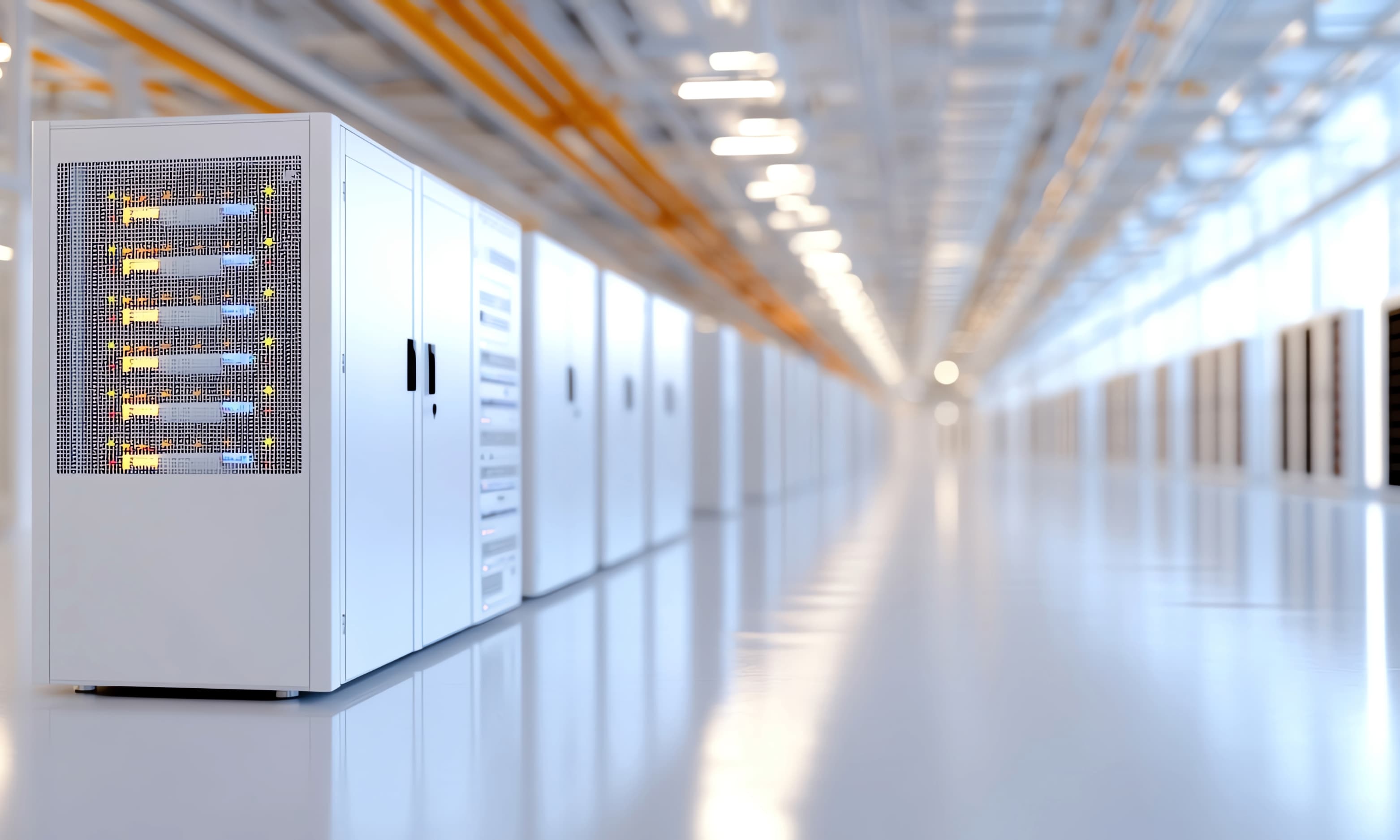
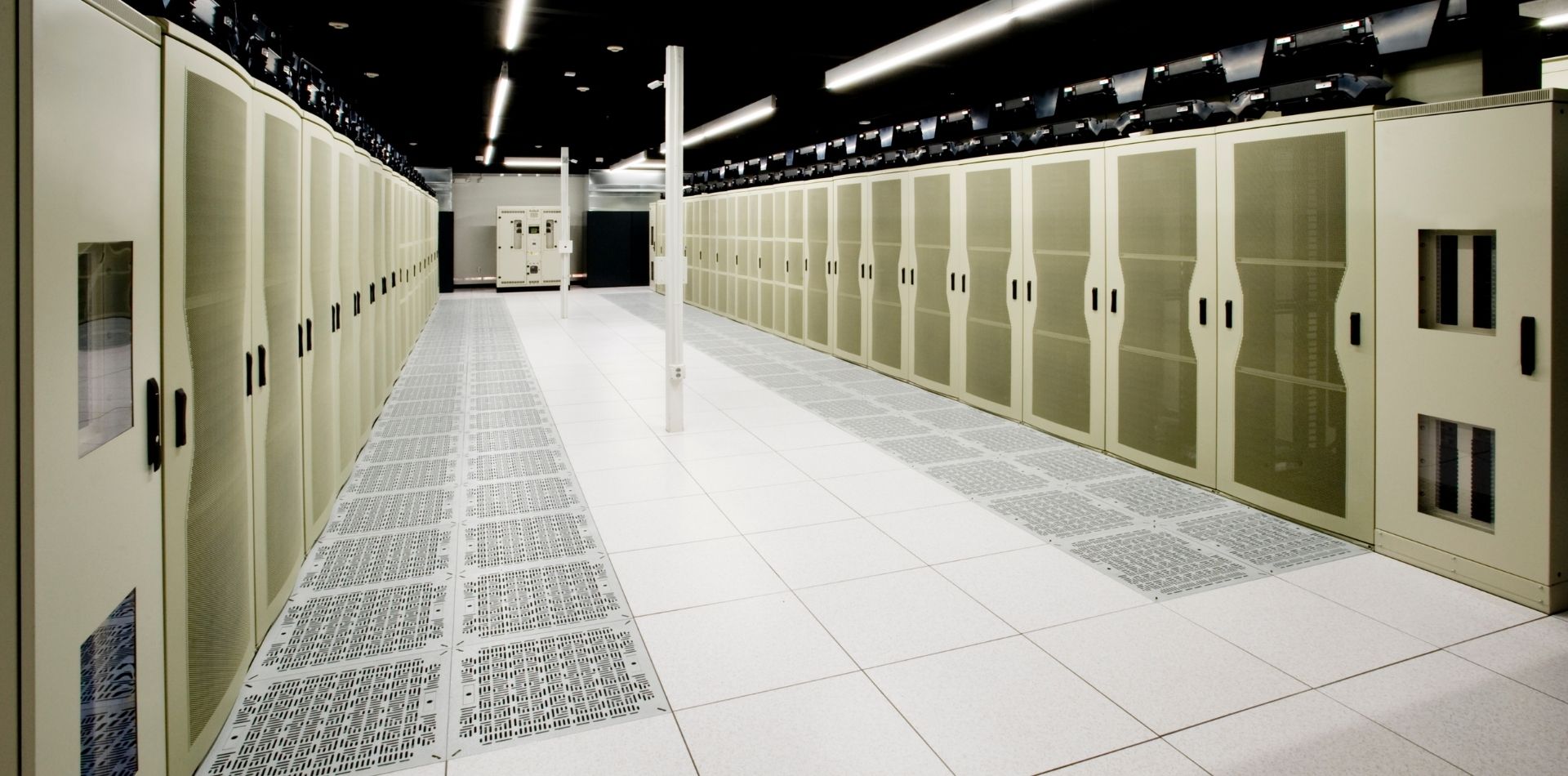
The AI economy runs on electricity. Tribal nations hold more renewable energy potential per acre than any other landowner class in the United States. The data center boom is not a distant opportunity, it is arriving right now.
For generations, the energy economy was built on tribal land, and tribes were left out of it.
High-voltage transmission lines cross reservation boundaries, carrying power to distant cities. The infrastructure of American prosperity was laid across Indigenous homelands, without consent, without compensation, and without so much as a connection to the lines running overhead. As one tribal clean energy leader put it plainly: the grid was built on the backs of Native nations, and they were not even allowed to tap into it.
That era is ending. What replaces it can belong to tribes, if tribes choose to claim it.
The land is 2% of the country. The energy potential is not.
American Indian trust lands make up approximately 2% of the total U.S. land base, around 56.2 million surface acres administered by the Bureau of Indian Affairs. That number has been used for generations to minimize tribal economic claims. It is also deeply misleading when you look at what that land actually holds.
According to the National Renewable Energy Laboratory, tribal lands hold approximately 17,600 billion kilowatt-hours per year of solar energy potential across the contiguous 48 states, plus an additional 535 billion kWh per year from wind.
The data center boom is the largest energy procurement event in American history.
U.S. data centers consumed 183 terawatt-hours of electricity in 2024, more than 4% of the country’s total electricity, roughly equivalent to the entire annual energy demand of Pakistan. By 2030, that figure is projected to grow by 133% to approximately 426 terawatt-hours.
Behind those numbers is a full sprint by every major technology company to build AI infrastructure. Microsoft, Google, Amazon, Meta, and Oracle are each committing to hundreds of new facilities consuming anywhere from 50 megawatts to over a gigawatt of power each.
Sovereignty is not a barrier to development. It is the most valuable site characteristic in the market.
Here is what the private sector understands about tribal sovereignty that is rarely communicated directly to tribal leadership: the ability to move fast is worth more than almost any other site attribute.
A tribe with a Tribal Energy Resource Agreement in place operates in a structurally different environment. The TERA allows a tribe to manage its own energy leasing, business agreements, and rights-of-way without requiring Department of Interior approval for each individual transaction.
Owning the energy is the foundation. Everything above it compounds.
The core logic of tribal data center development is vertical integration: a Nation that owns the electrons controls the input cost of the data center, which controls the margin, which funds the enterprise layer on top.
At the most straightforward level, a tribally-owned generation facility can power a third-party data center operator under a long-term power purchase agreement. The tribe earns PPA revenue, land lease revenue, and retains the generation asset.
This is not a catching-up story. It is a leadership story.
Tribes are not starting from behind in the AI energy economy. They are starting from a position of structural advantage: sovereign land, concentrated energy resources, unique legal tools, federal funding access that no private developer can match, and data jurisdiction that no state or county can offer.
The grid of the future can be tribally owned. The data centers of the AI economy can run on tribally generated power, on tribal land, operated by tribal members, hosting tribal data under tribal law.
The only thing that cannot be structured, financed, or engineered is the will to begin.